
Most new homeowners need fewer yard and garden tools than store displays suggest. Start with durable hand tools for the jobs you actually perform, then add powered equipment only when property size, terrain, physical effort, and frequency make it worthwhile.
TL;DR: A basic kit usually includes gloves, a hand trowel, bypass pruners, a shovel or spade, a rake, and a reliable watering tool. Lawns may add a mower and edging or trimming tool. Read manuals, keep guards in place, inspect cords and batteries, wear appropriate protection, and buy specialty equipment only after a recurring task proves the need.
What Tools Does a Beginner Really Need?
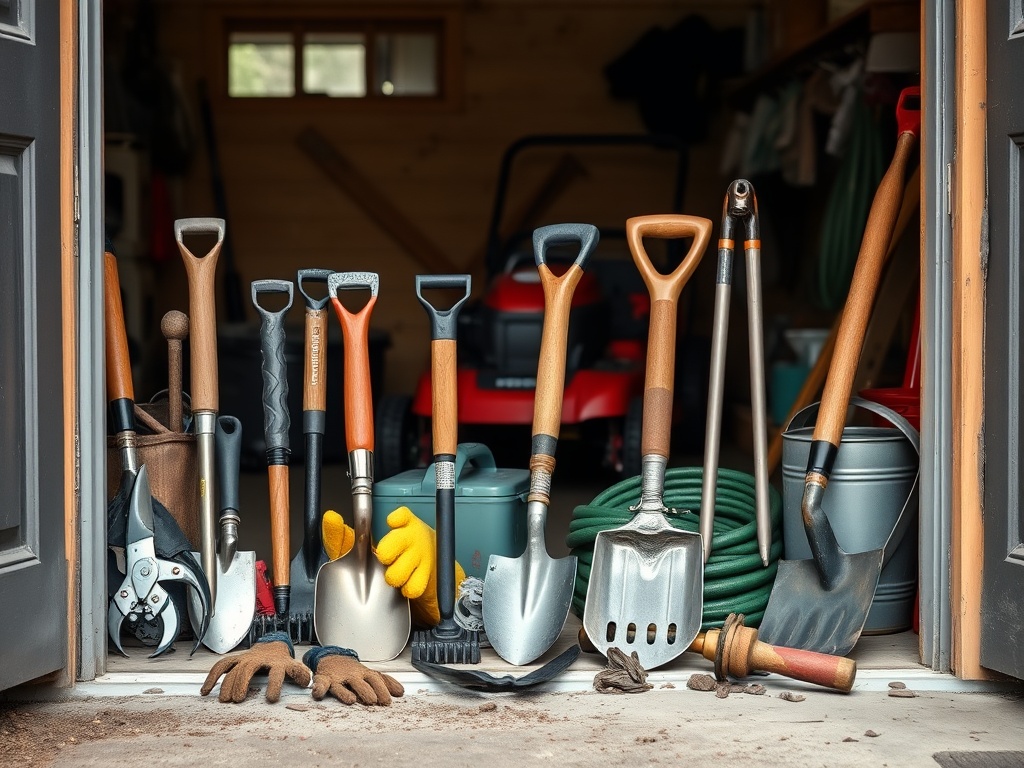
For planting beds, the most useful starter tools are simple. A hand trowel handles transplanting and small digging jobs. Bypass pruners cut live stems cleanly when kept sharp. A shovel moves soil and compost, while a spade is better for straight-edged digging and dividing some perennials. A leaf or garden rake covers cleanup and soil preparation depending on the style.
Add gloves suited to the task, a hose or watering can, and a sturdy bucket or tub for moving debris. If you have a lawn, a mower becomes a core tool. A string trimmer or manual edging tool is optional depending on borders and fence lines.
The goal is coverage, not collection. If one tool performs a job safely and comfortably, you do not need three variations on day one.
How Do I Choose Between a Shovel and a Spade?
A shovel typically has a curved scoop and is useful for moving loose soil, mulch, compost, or gravel. A garden spade usually has a flatter blade and straight edge suited to slicing soil, edging beds, and making defined cuts.
For general homeowner use, choose the tool that fits your dominant task and body size. Handle length, grip diameter, tool weight, and blade angle affect comfort. Try the motion before buying if possible. A heavy “professional” tool is not automatically better if it causes fatigue or is awkward in a small bed.
What Kind of Pruners Should I Buy?
Bypass pruners use two passing blades and are a strong general choice for live stems. Anvil pruners press a blade against a flat surface and may be useful for some dry material, but they can crush soft live stems more readily.
Choose a size that fits your hand and a model with replaceable or sharpenable parts when possible. Do not force hand pruners through branches beyond their rated capacity. Use loppers or a pruning saw for larger material. Cutting with the wrong tool can damage the plant and increase the chance of the tool slipping.
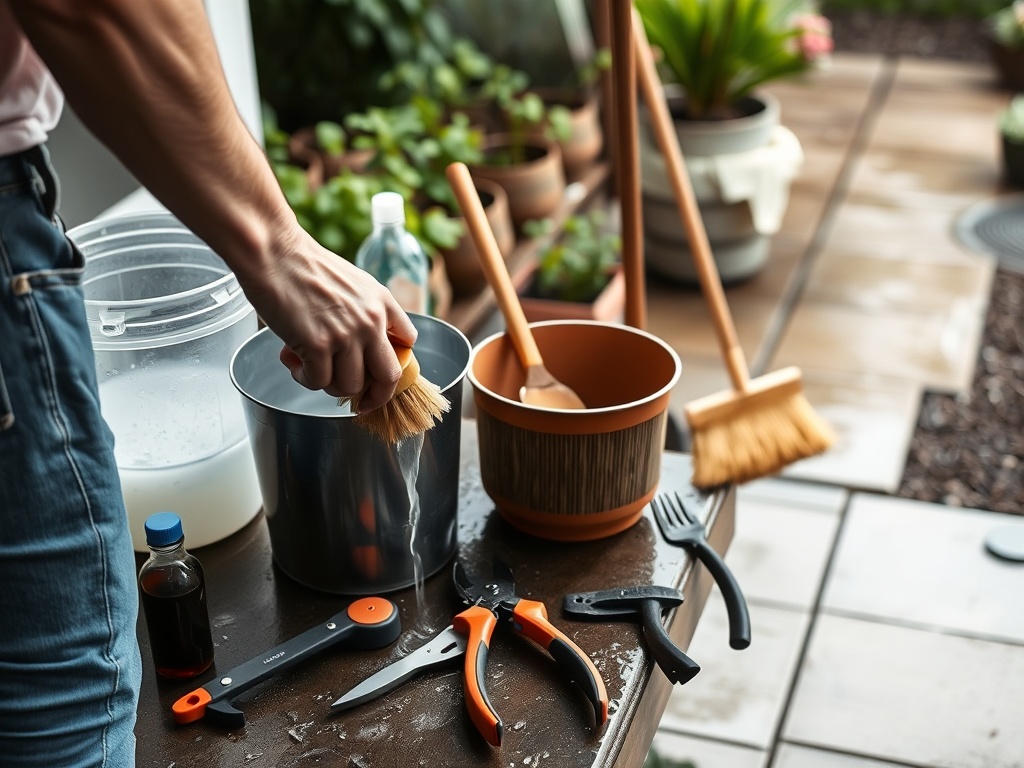
After pruning diseased material, cleaning requirements can change. The article on green cleaning for outdoor surfaces and tools explains when routine cleaning is enough and when disinfection is appropriate.
Battery, Corded, or Gas-Powered Equipment: Which Is Better?
There is no universal winner. Battery equipment avoids gasoline storage and can be convenient for smaller properties, but runtime, battery replacement cost, cold-weather storage, and platform compatibility matter. Corded electric tools can be light and inexpensive but require careful cord management and an outdoor-rated electrical setup. Gas equipment can support long runtimes and high-demand work but adds fuel, engine maintenance, noise, exhaust, and storage considerations.
Compare the actual job: property size, cutting width, material thickness, slope, charging access, storage, and how long the tool will run per session. Manufacturer specifications and service availability are more useful than a general claim that one power source is always superior.
What Should I Know Before Buying a Lawn Mower?
Match the mower to lawn size, slope, obstacles, storage, and your ability to maneuver it. Walk-behind mowers sold in the United States are subject to a federal safety standard; the U.S. Consumer Product Safety Commission summarizes requirements for covered walk-behind power mowers. Safety features should never be disabled.
Before mowing, remove stones, wire, toys, sticks, and other objects that can become projectiles. Keep children and pets out of the mowing area. Wear sturdy footwear and eye protection when appropriate, and follow the operator’s manual for slopes, blade service, fueling, batteries, and clearing jams.

Do I Need a Tiller?
Often, no. A tiller can be useful for establishing a large new bed in appropriate soil, but repeated deep tillage can disrupt soil structure, bring buried weed seeds to the surface, and damage tree roots if used in the wrong place.
For small gardens, a fork, spade, broadfork, or surface cultivation may be enough. Before renting or buying a tiller, decide what problem it solves. Compacted construction soil, perennial weeds, and wet clay require different strategies.
What Is the Difference Between a Leaf Blower and a Rake in Practical Use?
A rake is quiet, inexpensive, easy to store, and effective for leaves, thatch, and garden debris. A blower can move dry leaves quickly across larger hard or turf areas, but noise rules, dust, emissions, battery runtime, and neighbor impact matter.
Use the lowest effective blower setting and avoid sending dust, fertilizer, pesticide residue, or debris into streets and storm drains. Local ordinances may restrict blower types or operating hours.
How Should I Store Tools?
Clean off soil and plant debris, dry metal parts, and store tools under cover. Hang long-handled tools so edges do not create a trip hazard. Protect sharp blades and keep powered equipment inaccessible to children.
Battery tools should be stored and charged according to manufacturer instructions, especially regarding temperature and damaged packs. Fuel-powered equipment requires approved fuel storage and seasonal maintenance. Do not keep gasoline in improvised containers.
How Often Should Blades Be Sharpened?
Sharpen when cutting quality declines, not merely by date. A mower that tears grass tips, pruners that crush stems, or a shovel that requires excessive force may need attention. Inspect blades for cracks, deep chips, looseness, or deformation before deciding that sharpening alone will fix the problem.
Disconnect power according to the manual before servicing equipment. For mowers and motorized tools, follow lockout or battery-removal instructions so the machine cannot start unexpectedly.
Is Used Equipment a Good Idea?
Used hand tools can offer excellent value if handles, blades, fasteners, and moving joints are sound. Powered equipment deserves a more careful inspection. Check model and serial information for recalls, confirm guards and safety switches are present, and consider whether replacement batteries or parts are still available.
Avoid equipment with bypassed safety systems, improvised wiring, leaking fuel, badly damaged battery packs, or missing manuals when the operating procedure is unclear.
What Equipment Helps With Water-Wise Landscaping?
A soil probe, hose timer, drip components, pressure regulator, mulch fork, and basic pruning tools may be more useful than a large machine. The exact list depends on plant type and irrigation design. The guide to what xeriscaping really means explains why efficient watering and hydrozoning are design decisions first and equipment decisions second.
What About Equipment for Patio Pest Problems?
Do not assume a fogger or sprayer is the first thing you need. A broom, covered trash container, drain-cleaning tools, screens, and a way to empty standing water may solve more of the problem. The outdoor seating bug-reduction guide explains when environmental changes should come before pesticide equipment.
Build the Tool Kit Around Recurring Work
Live with the property for a season if you can. Keep a list of tasks that repeat and tools you borrow or rent more than once. That record reveals what deserves storage space and maintenance attention. Buy durable basics first, then expand with a reason.
Home and garden information is provided for general educational purposes and is not a substitute for professional safety, electrical, structural, arboricultural, or legal advice. Follow equipment manuals, safety standards, recalls, and local rules.[/