
How to Cut Weight Safely for Combat Sports and Weight-Class Competition helps intermediate athletes and parents in weight-class sports understand safer principles and red flags before making weight decisions. The practical goal is to read the situation clearly, make better choices, and avoid common assumptions that lead to wasted effort or confusion.
TL;DR: Treat safe weight management for combat sports as a decision framework, not a trivia topic. Learn the core terms, compare options carefully, use reliable guidance, and apply the lesson in small, repeatable steps before raising the stakes.
Weight Classes Are Not a Shortcut
The first mistake is assuming safe weight management for combat sports means the same thing in every setting. In reality, the meaning changes with the sport, the level of play, the athlete’s age, the rules being used, and the purpose of the session or event. A beginner needs the plain version first: what is being measured, what choices it affects, and what a reasonable next step looks like.
Weight management is not the same as a desperate weight cut. A safe plan begins with the athlete’s growth, training load, history, and competition calendar. Young athletes especially should avoid copying adult professional routines that may be medically supervised, financially motivated, and still risky.
A good rule of thumb is to separate what is verifiable from what is interpretation. A rule, score, posted schedule, fee, safety instruction, or official standard is a factual reference. A prediction, coaching adjustment, buying preference, or performance takeaway is analysis. Keeping those apart makes the topic easier to understand and much more useful.
Separate Fat Loss From Last-Minute Water Loss
For official context, start with NCAA wrestling weight management packet when the topic touches rules, safety, or event structure. Official and medical sources are not always written in casual language, but they reduce the risk of copying myths that circulate in locker rooms, fan threads, or sales pages.
The final number on the scale should never be treated as more important than the athlete’s ability to train, think clearly, recover, and compete safely.
The useful question is not “What is the perfect answer?” It is “What decision does this help me make?” For safe weight management for combat sports, the decision might be how to watch a match, how to practice, what to buy, how much to spend, when to rest, or when to ask a qualified professional for help.
| Area | What to notice | Practical takeaway |
|---|---|---|
| Choice | Safer direction | Riskier direction |
| Timeline | Plan weeks ahead with qualified guidance | Chase pounds in the final day |
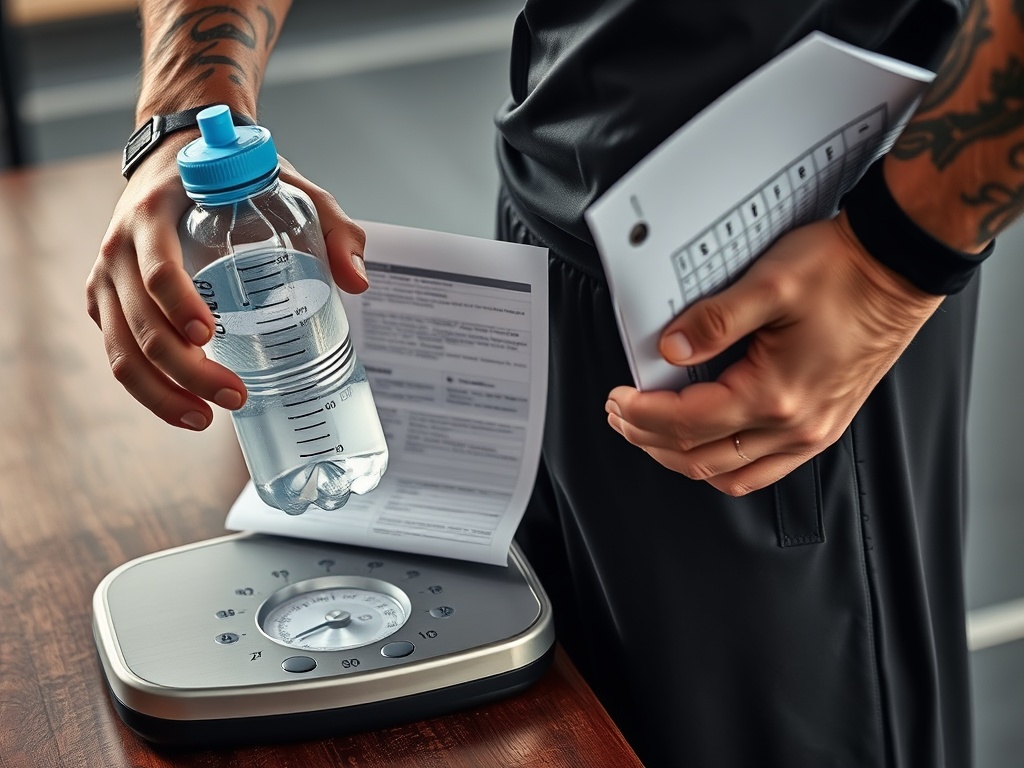
| Hydration | Monitor fluids and urine color patterns | Use sweating, saunas or restriction to force weight down |
| Food | Fuel training while adjusting portions | Skip meals then try to compete hard |
| Decision maker | Athlete, coach and healthcare professional | Peer pressure or bracket anxiety |
A Safer Decision Framework
Most misunderstandings come from treating one visible moment as the whole story. A single rep, whistle, quote, price, or data point rarely explains everything. The better approach is to look for the pattern behind the moment and then test it against the relevant rules or guidance.
That is why this topic connects naturally to How to Break a Skill Plateau When Progress Suddenly Stalls. A reader who understands the surrounding process is less likely to overreact to one result and more likely to make a useful adjustment.
When health, hydration, heat, safety, or athlete wellbeing is involved, support the decision with trusted guidance such as Johns Hopkins hydration advice for athletes. General advice can help frame the issue, but individual medical questions should go to a qualified clinician or certified professional.
Beginners also tend to skip the boring constraints: rest time, space, weather, costs, age group rules, supervision, and recovery. Those constraints often decide whether a plan works. A method that looks smart in a highlight clip can fail in a real backyard, gym, travel weekend, or tournament schedule.
Red Flags That Should Stop the Cut
Use this quick checklist before acting on safe weight management for combat sports: define the exact setting, identify the rule or safety source, decide what outcome you want, choose one small change, and review the result after a set period. That process keeps learning practical without turning every decision into a complicated project.
For athletes, the checklist should include body feedback, not only performance output. Was the session repeatable? Did technique improve under light pressure? Did confidence improve because the task was clearer? Did recovery support the next session? Progress that cannot be repeated usually needs a simpler plan.
For fans and families, the checklist should include context. If a call, cost, result, or product seems frustrating, ask what information is missing. The answer may be in a rulebook, an event policy, a safety guideline, or a conversation with the coach. This is also where Referee FAQ: The Calls and Rule Questions Fans Misunderstand Most can give readers a broader next step inside the same sports-learning path.

How Coaches Can Keep the Room Honest
The best improvements are usually small enough to repeat and clear enough to evaluate. Instead of trying to fix every weakness, choose one behavior that can be observed. In a practice setting, that may be the first touch, the first step, a recovery habit, a communication cue, or the setup before a skill. In a fan or event setting, it may be using the official map, reading a rule, or comparing total costs before committing.
If the topic includes equipment, money, scheduling, or data, do not let convenience hide trade-offs. Cheaper gear may be fine for casual use but poor for heavy impact. More tournaments may create exposure but reduce rest. More data may encourage better recovery, but it can also make athletes anxious if every score is treated as a verdict.
For a wider view of related decisions, readers can continue with Travel Sports Budgeting: How Families Can Plan for the Real Costs. Internal next steps should feel like a useful continuation, not a forced detour.
A second reliable source, such as California State Athletic Commission dehydration warning, can help confirm whether advice is current and appropriate. This is especially valuable when rules, safety expectations, technology, or organized competition policies change over time.
Making the Weight Class Serve the Athlete
The final takeaway is simple: safe weight management for combat sports becomes easier when you slow the decision down. Define the situation, use the right source, act on one priority, and review what changed. That habit works for athletes, parents, coaches, fans, and organizers because it replaces guesswork with a repeatable process.
CTA: Before your next practice, event, purchase, or viewing experience, write down one question this guide answered and one action you can test. Keep the step small enough to complete, then use the result to decide what to learn next.
Compete at a Weight You Can Support
Use this article as a reference point rather than a rigid rule. The right move depends on sport, level, age, goals, and available support. When the decision affects safety, medical care, eligibility, or significant spending, confirm details with the relevant organization or qualified professional before moving forward.