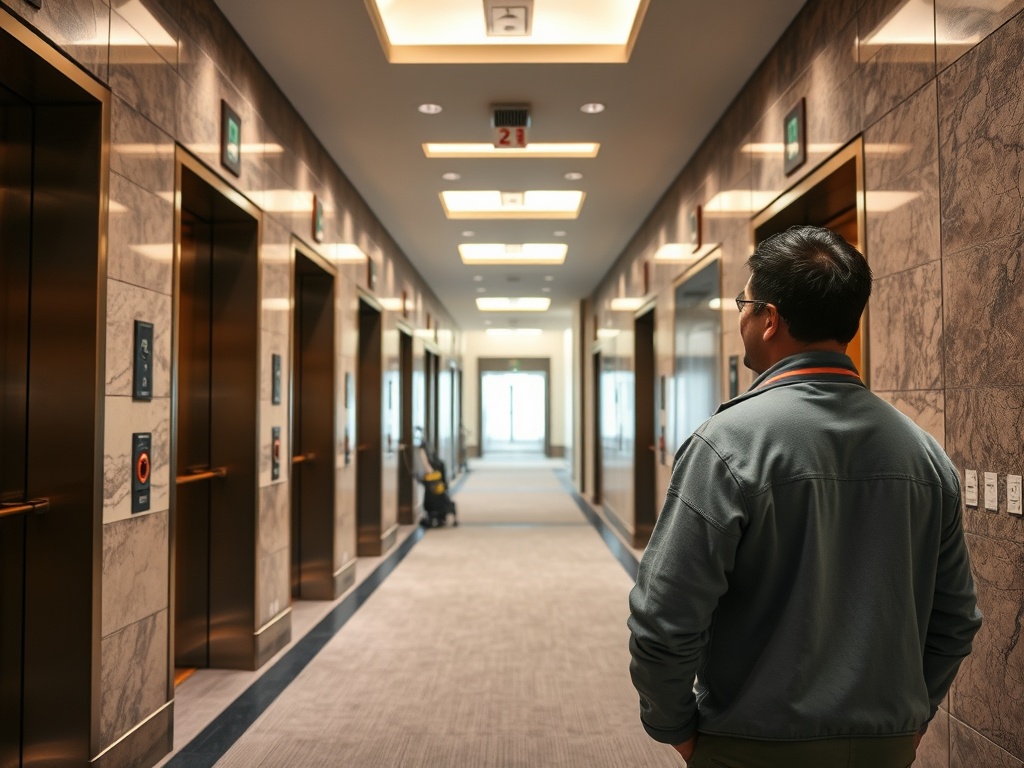

Public-facing interiors stay presentable when maintenance teams combine routine cleaning, finish protection, quick defect reporting, and planned renewal cycles. The goal is not perfection every day; it is to prevent small, visible defects from becoming safety concerns, brand damage, or more disruptive repairs.
TL;DR: Separate appearance issues, safety issues, and asset deterioration so work is prioritized correctly. Elevator lobbies and corridors need frequent observation because traffic, carts, moisture, and cleaning chemistry can wear finishes quickly. Good documentation helps justify refresh budgets before surfaces fail completely.
Why Public Areas Age Unevenly
For public interior maintenance, the central decision is not only what to do, but when to decide it and who must be involved. A construction or facilities process can look simple on a checklist while still failing in the field because one dependency was missing. The useful question is: what risk becomes harder to correct if this step is ignored until later?
Teams should define the expected outcome, the acceptance point, and the evidence needed to prove the work is ready to move forward. For a beginner audience, that may mean a plain status note and photos. For a more mature team, it may mean linked records, signed approvals, issue logs, and trend data that can be reviewed across projects or assets.
This is why the topic connects naturally with Reliability-centered maintenance explained in plain language, because the surrounding workflow often determines whether the recommendation works in practice or becomes a disconnected task.
Daily Observations and Planned Work
A practical approach starts by naming the trigger event. That trigger may be a design milestone, a work order, a submittal, an inspection, a supplier notice, a condition report, or a recurring failure pattern. Once the trigger is clear, the team can assign responsibility, set review frequency, and decide what information must be collected before action is taken.
The next step is to separate facts from assumptions. Facts include approved drawings, manufacturer requirements, verified field conditions, test results, authority comments, signed change documents, completed inspections, or asset history. Assumptions include hoped-for delivery dates, informal verbal commitments, generic repair advice, and lessons copied from a different building or project without checking context.
For broader context, Whole Building Design Guide is a useful starting point because it frames the topic as a management practice rather than a one-time administrative exercise.

Finish Risks by Interior Zone
| Decision area | Weak practice | Stronger practice |
|---|---|---|
| Ownership | Several people assume someone else is tracking it. | One role owns the record, with backups for review and escalation. |
| Timing | Action begins only after a delay, defect, or complaint appears. | Triggers are tied to milestones, condition thresholds, or recurring review dates. |
| Evidence | Decisions rely on memory, email fragments, or incomplete photos. | Records include dates, approvals, field notes, and supporting documentation. |
| Follow-through | Corrections are discussed but not verified. | Closure requires inspection, signoff, or documented acceptance criteria. |
The comparison is intentionally simple. It does not replace a project controls system, maintenance platform, or contract procedure, but it shows why public interior maintenance depends on repeatable habits. The stronger practice is usually less dramatic than a rescue effort, yet it gives leaders better visibility before a small issue affects cost, schedule, safety, or occupant experience.
Mistakes That Make Spaces Look Neglected
- Treating public interior maintenance as paperwork instead of a risk-control activity.
- Waiting for perfect data before acting on obvious warning signs.
- Using the same response for high-risk and low-risk items.
- Failing to tell downstream teams when a decision changes their work.
- Closing an item without confirming that the field condition matches the record.
These mistakes also explain why Spare parts planning for facilities that cannot afford downtime matters. Many project and maintenance problems are not caused by one bad decision, but by a chain of small gaps that no one can see until the consequences become visible.
Interior Care Walkthrough Checklist
- Define the decision owner and the backup reviewer.
- Record the trigger, date, location, asset, drawing reference, or work package involved.
- Attach the best available evidence, such as photos, test results, approved submittals, or field notes.
- Identify cost, schedule, safety, quality, warranty, and occupant-impact concerns before selecting a response.
- Set a closure rule that proves the issue was resolved rather than merely discussed.
- Review repeated issues monthly or at milestone meetings so the team can address patterns.
Teams that want a more formal basis can compare their procedure with ISO 55000 asset management overview, then adapt the level of detail to the project size, facility risk, and contract environment.
For public interiors, the work is both technical and experiential. Scratched panels, stained flooring, damaged corner guards, poor lighting, and loose trim change how occupants judge the building. Maintenance teams should distinguish cosmetic wear from trip hazards, fire/life-safety concerns, moisture damage, and issues that may affect accessibility or egress.
Practical Scenario: Lobby Wear Becomes a Maintenance Signal
A lobby corner with repeated scuffs may look like a cosmetic issue, but it can reveal traffic patterns, cart impacts, cleaning limitations, or material choices that do not fit the use of the space. Treating it only as a repainting task may produce a clean result for a few weeks while leaving the cause untouched.
A better response compares the location, frequency, and severity of the wear. The fix might be corner protection, a cleaning adjustment, a moving policy, a finish upgrade, or a repair detail that is easier to maintain. Public spaces need maintenance decisions that consider both function and perception.
A good implementation record should also show what the team decided not to do. Rejected options are valuable because they explain trade-offs later, especially when new staff members, consultants, owners, or operators review the history months after the original discussion. In public interior maintenance, that record can prevent repeat debates and can help separate a conscious risk decision from an accidental omission.
The final discipline is review. Conditions change as drawings mature, crews mobilize, equipment ages, spaces get occupied, and suppliers update availability or product data. A monthly or milestone-based review gives the team permission to adjust the plan without treating every adjustment as a failure. That habit supports steadier decisions and makes the article's guidance more useful in real construction and maintenance settings.
When resources are limited, start with the highest-risk locations, assets, materials, or decisions, then expand the process after the team proves it can maintain the record reliably.
Protecting the Experience Between Renovations
A reliable next step is to turn the idea into a short working procedure: one owner, one trigger, one evidence standard, and one review rhythm. Reference material such as OSHA construction resources can support the procedure, but the final workflow should match the actual project, facility, and jurisdiction.
For related planning context, review Low-carbon concrete and material choices in modern projects and use it to check whether this topic affects adjacent teams, assets, or closeout responsibilities.
This article is for informational and educational purposes only. It does not replace professional engineering, legal, compliance, safety, or project management advice. Codes, contracts, manufacturer instructions, and jurisdictional requirements should be checked for the specific project.