
Reliability-centered maintenance, often shortened to RCM, is a structured way to decide what maintenance an asset actually needs based on how it can fail and what happens when it does. In plain terms, it helps teams stop treating every piece of equipment the same.
TL;DR: RCM starts with function: what the asset must do, under what conditions, and why failure matters. The method compares failure consequences before choosing preventive, predictive, corrective, or run-to-failure strategies. It is most useful when applied to important assets first, not as paperwork for every small component.
The Plain-English Meaning of RCM
For reliability centered maintenance basics, the central decision is not only what to do, but when to decide it and who must be involved. A construction or facilities process can look simple on a checklist while still failing in the field because one dependency was missing. The useful question is: what risk becomes harder to correct if this step is ignored until later?
Teams should define the expected outcome, the acceptance point, and the evidence needed to prove the work is ready to move forward. For a beginner audience, that may mean a plain status note and photos. For a more mature team, it may mean linked records, signed approvals, issue logs, and trend data that can be reviewed across projects or assets.
This is why the topic connects naturally with A construction change management plan that actually works, because the surrounding workflow often determines whether the recommendation works in practice or becomes a disconnected task.
How the Logic Works Step by Step
A practical approach starts by naming the trigger event. That trigger may be a design milestone, a work order, a submittal, an inspection, a supplier notice, a condition report, or a recurring failure pattern. Once the trigger is clear, the team can assign responsibility, set review frequency, and decide what information must be collected before action is taken.
The next step is to separate facts from assumptions. Facts include approved drawings, manufacturer requirements, verified field conditions, test results, authority comments, signed change documents, completed inspections, or asset history. Assumptions include hoped-for delivery dates, informal verbal commitments, generic repair advice, and lessons copied from a different building or project without checking context.
For broader context, NASA reliability-centered maintenance guide is a useful starting point because it frames the topic as a management practice rather than a one-time administrative exercise.
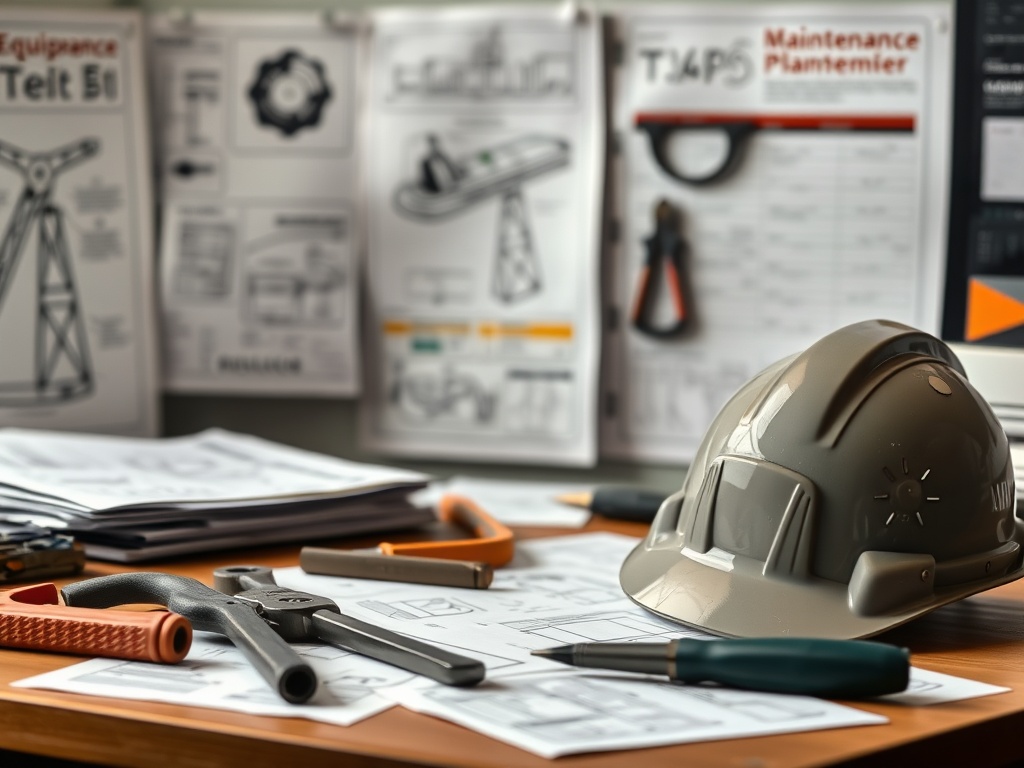
Maintenance Choices in Context
| Decision area | Weak practice | Stronger practice |
|---|---|---|
| Ownership | Several people assume someone else is tracking it. | One role owns the record, with backups for review and escalation. |
| Timing | Action begins only after a delay, defect, or complaint appears. | Triggers are tied to milestones, condition thresholds, or recurring review dates. |
| Evidence | Decisions rely on memory, email fragments, or incomplete photos. | Records include dates, approvals, field notes, and supporting documentation. |
| Follow-through | Corrections are discussed but not verified. | Closure requires inspection, signoff, or documented acceptance criteria. |
The comparison is intentionally simple. It does not replace a project controls system, maintenance platform, or contract procedure, but it shows why reliability centered maintenance basics depends on repeatable habits. The stronger practice is usually less dramatic than a rescue effort, yet it gives leaders better visibility before a small issue affects cost, schedule, safety, or occupant experience.
Where Beginners Overcomplicate RCM
- Treating reliability centered maintenance basics as paperwork instead of a risk-control activity.
- Waiting for perfect data before acting on obvious warning signs.
- Using the same response for high-risk and low-risk items.
- Failing to tell downstream teams when a decision changes their work.
- Closing an item without confirming that the field condition matches the record.
These mistakes also explain why How to maintain elevator lobbies, corridors, and public-facing interiors matters. Many project and maintenance problems are not caused by one bad decision, but by a chain of small gaps that no one can see until the consequences become visible.
First-Pass RCM Checklist
- Define the decision owner and the backup reviewer.
- Record the trigger, date, location, asset, drawing reference, or work package involved.
- Attach the best available evidence, such as photos, test results, approved submittals, or field notes.
- Identify cost, schedule, safety, quality, warranty, and occupant-impact concerns before selecting a response.
- Set a closure rule that proves the issue was resolved rather than merely discussed.
- Review repeated issues monthly or at milestone meetings so the team can address patterns.
Teams that want a more formal basis can compare their procedure with ISO 55000 asset management overview, then adapt the level of detail to the project size, facility risk, and contract environment.
For RCM, the plain-language discipline is to ask what the asset must do, how it can fail, why that failure matters, and which task would reasonably reduce the risk. Some assets need condition monitoring. Some need time-based service. Some can be allowed to fail because the consequence is low and replacement is simple.
Practical Scenario: Choosing the Right Task for One Asset
Take a pump that supports a noncritical comfort system and another pump that supports a process or life-safety-adjacent function. A calendar-based task may look identical on paper, but the consequence of failure is different. RCM pushes the team to ask what failure means before choosing the maintenance tactic.
That logic keeps the program practical. High-consequence assets may justify vibration checks, condition monitoring, redundancy review, or planned overhaul. Low-consequence assets may need simple inspection or run-to-failure replacement. The answer depends on risk, evidence, accessibility, and the cost of intervention.
A good implementation record should also show what the team decided not to do. Rejected options are valuable because they explain trade-offs later, especially when new staff members, consultants, owners, or operators review the history months after the original discussion. In reliability centered maintenance basics, that record can prevent repeat debates and can help separate a conscious risk decision from an accidental omission.
The final discipline is review. Conditions change as drawings mature, crews mobilize, equipment ages, spaces get occupied, and suppliers update availability or product data. A monthly or milestone-based review gives the team permission to adjust the plan without treating every adjustment as a failure. That habit supports steadier decisions and makes the article's guidance more useful in real construction and maintenance settings.
When resources are limited, start with the highest-risk locations, assets, materials, or decisions, then expand the process after the team proves it can maintain the record reliably.
Making Reliability Practical
A reliable next step is to turn the idea into a short working procedure: one owner, one trigger, one evidence standard, and one review rhythm. Reference material such as Whole Building Design Guide can support the procedure, but the final workflow should match the actual project, facility, and jurisdiction.
For related planning context, review Procurement relationships that reduce lead time surprises and use it to check whether this topic affects adjacent teams, assets, or closeout responsibilities.
This article is for informational and educational purposes only. It does not replace professional engineering, legal, compliance, safety, or project management advice. Codes, contracts, manufacturer instructions, and jurisdictional requirements should be checked for the specific project.


