
Teledentistry: What It Can Solve Remotely and What Still Needs an Office Visit
Teledentistry can help with triage, education, follow-up, image review, and care coordination, but it cannot clean teeth, take all needed X-rays, feel a swelling, repair a tooth, remove decay, or complete procedures that require hands-on treatment.
Virtual-Dentistry Overview
TL;DR: Use teledentistry as a doorway to the right care. It can answer "How urgent is this?" and "What should I do next?" but symptoms such as swelling, trauma, uncontrolled bleeding, severe pain, or a broken restoration often still need an office visit or emergency care.
Remote dental care became more familiar as health systems expanded virtual visits, but dentistry has a physical reality. A dentist can learn a lot from your story, photos, and video. They still may need instruments, imaging, bite tests, and touch to diagnose or treat fully.
The best use of teledentistry is not pretending the office is unnecessary. It is using remote access to reduce confusion, improve timing, and direct you to the right setting.
What Teledentistry Means
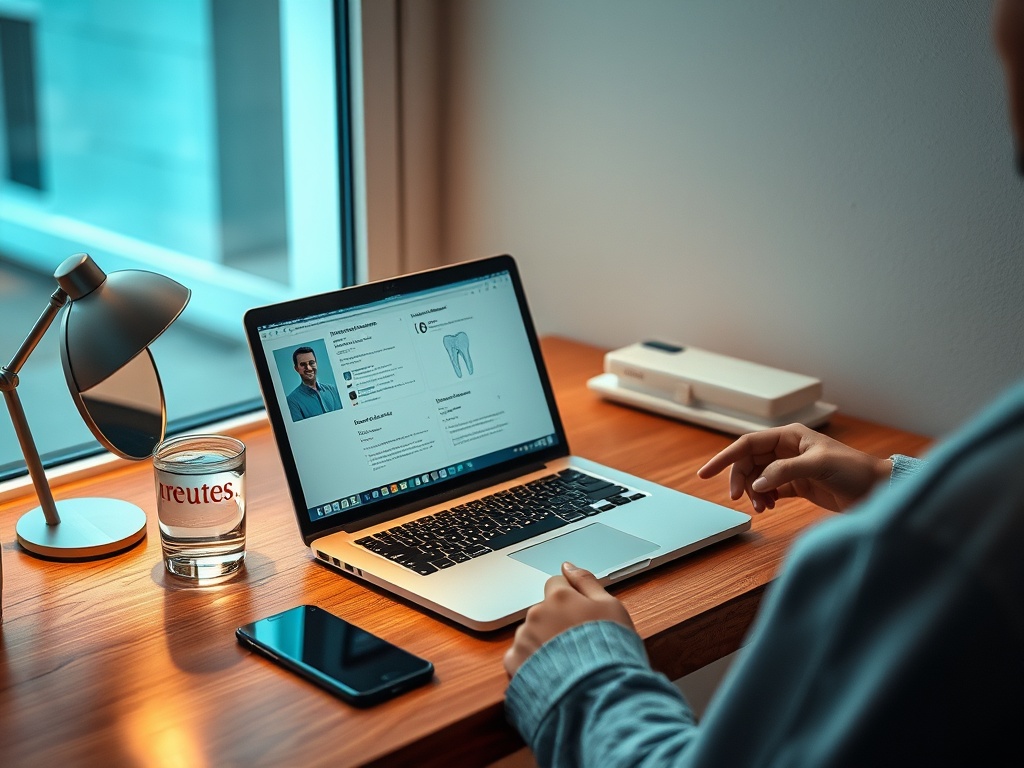
The ADA's policy on teledentistry describes teledentistry as the use of telehealth systems and methods in dentistry. It can include live video, store-and-forward records such as photos or radiographs, remote monitoring, and mobile health tools.
In patient terms, teledentistry may look like a video call about a toothache, a secure message with photos of a sore spot, a follow-up after surgery, an orthodontic progress check, or a consultation to decide whether a problem needs same-day care.
It is not one service. It is a method of delivering or coordinating dental care.
Problems a Remote Visit Can Often Triage
Teledentistry may help with:
- Deciding whether a chipped tooth can wait or needs prompt care.
- Reviewing post-treatment symptoms.
- Checking whether swelling, bleeding, or pain sounds urgent.
- Discussing sensitivity or enamel erosion habits.
- Preparing for cosmetic or replacement consultations.
- Reviewing home-care technique for appliances.
- Screening whether sedation, transportation, or medical clearance may be needed.
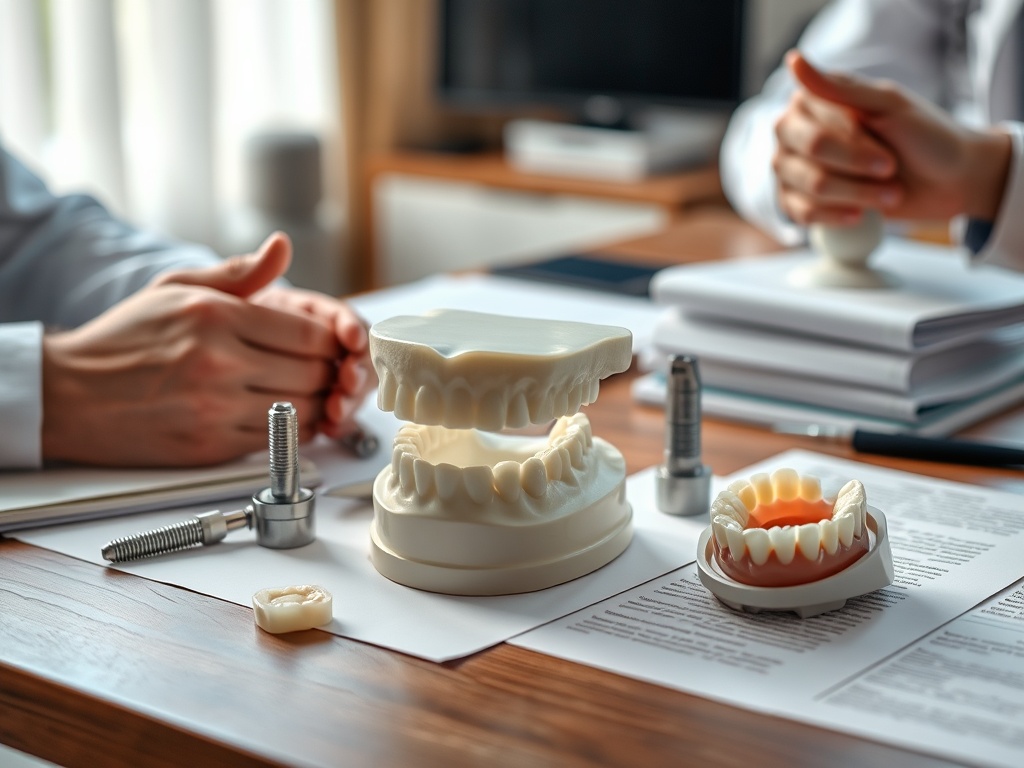
For example, if you are deciding between whitening toothpaste, strips, and professional treatment, a remote conversation may help you understand whether an office exam should come before whitening. If you are comparing dental implants and partial dentures, teledentistry may help gather goals and history, but imaging and bite evaluation usually remain necessary.
What Still Needs Hands-On Care
| Concern | Remote visit can help with | Office visit is needed for |
|---|---|---|
| Toothache | Triage urgency and discuss symptoms | Exam, X-rays, diagnosis, treatment |
| Broken filling or crown | Decide how quickly to be seen | Repair, recementation, bite adjustment |
| Swelling | Identify danger signs | Drainage, diagnosis, possible prescriptions or referral |
| Cleaning | Review habits and risk | Plaque and tartar removal |
| Whitening | Discuss options and risks | Exam, shade check, trays, in-office treatment |
| Dentures or implants | Review goals and history | Impressions, scans, surgery, adjustments |
The article on what hygienists look for during a cleaning shows why some findings cannot be captured remotely. Gum measurements, tartar removal, and tactile checks require in-person care.
Privacy, Records, and Follow-Up Questions

Remote care still involves health information. HHS advises patients to protect privacy during virtual visits by choosing a private location, avoiding public networks when possible, and using secure communication; its telehealth privacy guidance for patients offers practical steps.
Before a teledentistry visit, ask:
- Is this platform secure and documented in my dental record?
- Who will review my photos or messages?
- What will the visit cost?
- Can prescriptions be provided if appropriate?
- What happens if the dentist decides I need an office visit?
- Will the same office handle follow-up?
Also ask how to take useful photos. Good lighting, clean hands, and a helper may make images clearer, but do not stretch tissues painfully or use sharp objects.
Next Steps for Teledentistry Solve Remotely Still Office Visit
A virtual visit may turn panic into a plan. A dentist may tell you to monitor a mild cheek bite, schedule a routine exam for sensitivity, come in promptly for a fractured tooth, or seek emergency care for spreading swelling. That triage value can be meaningful.
However, do not use teledentistry to delay urgent symptoms. Seek immediate help for swelling that affects breathing or swallowing, facial trauma, uncontrolled bleeding, fever with dental infection signs, severe pain, or a knocked-out permanent tooth. A remote message should not be the only action when symptoms suggest danger.
For restorations, urgency depends on structure and symptoms. If an implant crown or bridge comes loose, review lost implant crown or bridge care and call a dentist promptly.
Make a Remote Visit More Useful
Before the visit, write down when symptoms started, what makes them better or worse, medications, allergies, recent dental work, and medical conditions. Have a flashlight, mirror, and any broken dental piece nearby. Take photos only if the office asks for them and provides a secure way to send them.
Be clear about your goal. Are you asking whether it is urgent, whether you need antibiotics, whether a planned treatment can wait, or what kind of appointment to schedule? Specific questions produce more useful guidance.
Questions About Teledentistry Solve Remotely Still Office Visit
For Teledentistry Solve Remotely Still Office Visit, this part of Questions About Teledentistry Solve Remotely Still Office Visit focuses on the symptom history, previous treatment, current medicines, and the result the patient values most when a second opinion is considered, with the same details verified when the follow-up plan is written. The clinician should also explain which examination finding supports each recommendation and what information could change it for Teledentistry Solve Remotely Still Office Visit when the follow-up plan is written, using the examination and health history rather than a general assumption. Recording that explanation gives the patient a clearer next step for Teledentistry Solve Remotely Still Office Visit when a second opinion is considered, especially when follow-up duties are reviewed when the follow-up plan is written.
Questions About Teledentistry Solve Remotely Still Office Visit During Planning
For Teledentistry Solve Remotely Still Office Visit, this part of Questions About Teledentistry Solve Remotely Still Office Visit During Planning focuses on the symptom history, previous treatment, current medicines, and the result the patient values most before temporary care is replaced, with the same details verified when the follow-up plan is written. The clinician should also explain which examination finding supports each recommendation and what information could change it for Teledentistry Solve Remotely Still Office Visit as the treatment sequence is documented, using the examination and health history rather than a general assumption. Recording that explanation gives the patient a clearer next step for Teledentistry Solve Remotely Still Office Visit before temporary care is replaced, especially when follow-up duties are reviewed when the follow-up plan is written.
Use Teledentistry as a Doorway, Not the Whole Office
Teledentistry can save time, improve access, and help patients make better decisions. Its limits are just as important. Dentistry still depends on touch, imaging, cleaning, repair, and procedures that happen in person.
The next step is to use remote care for the right job: triage, follow-up, education, preparation, and coordination. When the dentist says the problem needs a chair, instruments, or imaging, treat that as the point of the virtual visit, not a failure of it.
Questions About Teledentistry Solve Remotely Still Office Visit Before Treatment
Avoid heat, harsh chemicals, sharp tools, or medication beyond label directions when trying to manage Teledentistry: What It Can Solve Remotely and What Still Needs an Office Visit at home. If Teledentistry: What It Can Solve Remotely and What Still Needs an Office Visit becomes more painful, swollen, unstable, or difficult to clean, stop experimenting and request professional guidance as the long-term result is reviewed.