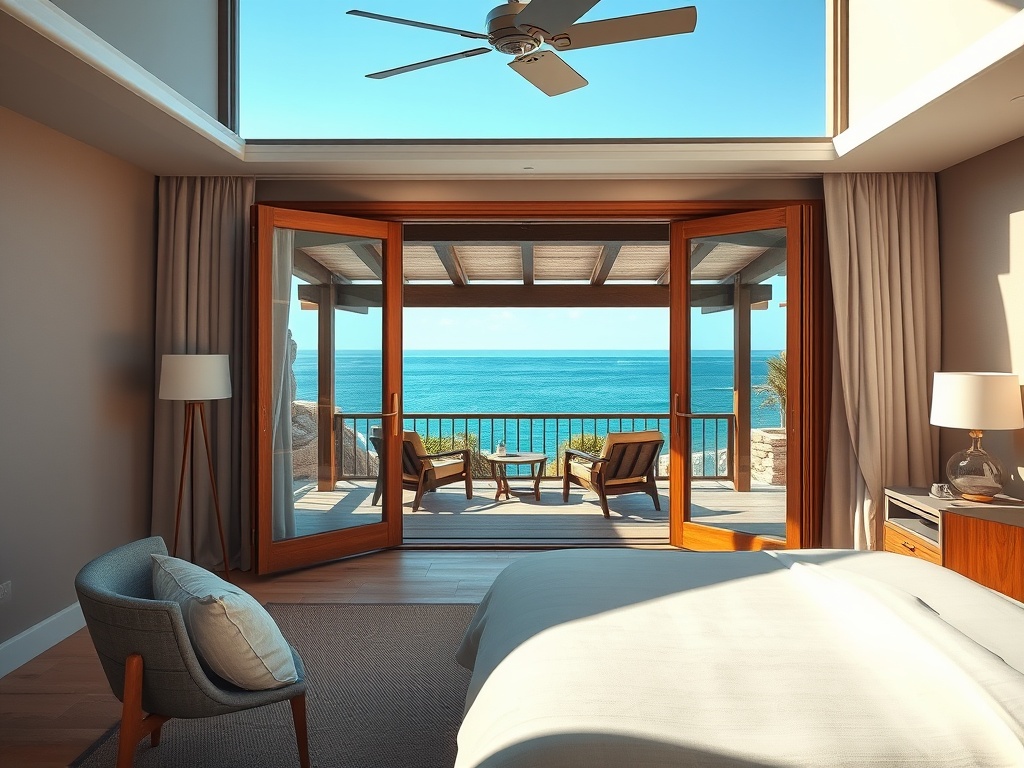

The best time to book a conference resort is the date range that balances meeting-space availability, sleeping-room inventory, attendee travel, destination weather, and contract flexibility. A low room rate is useful only if the meeting can still operate smoothly and attendees can reach the property without unnecessary friction.
TL;DR: Start with the meeting's nonnegotiables: room block size, meeting rooms, arrival pattern, food and beverage needs, and outdoor functions. Then compare peak, shoulder, and off-peak dates for both cost and operational risk. Ask about competing groups, seasonal transport, weather backup space, and contract terms before committing.
Conference seasonality has two calendars
Leisure resorts often have one demand pattern for vacationers and another for meetings. A beach resort may be expensive for leisure travel during winter weekends but have more meeting-space flexibility on selected weekdays. A mountain property may have strong weekend demand in ski season while still targeting corporate groups midweek. The conference planner therefore has to read both the destination calendar and the property's group-business calendar.
Ask the sales team which dates are compressed by leisure demand, conventions, weddings, incentive groups, or local events. A date that appears quiet in public travel searches can still be busy in ballrooms and breakout rooms. Conversely, a resort may have plenty of guestrooms but limited meeting space because another group has exclusive use of the venue you need.
Compare the season against the meeting format
| Meeting need | Peak-period consideration | Shoulder/off-peak consideration | Question to ask |
|---|---|---|---|
| Large room block | Higher competition for preferred rooms | Better chance of contiguous inventory | How many rooms are protected by category? |
| Outdoor reception | Potentially favorable weather in some destinations | More weather variability may require backup space | Is indoor backup included or separately priced? |
| Executive retreat | Full destination energy but less privacy | Quieter atmosphere may support focus | Will other groups share nearby event areas? |
| Bleisure extension | More attractions may be operating | Some seasonal services may be reduced | Which resort and local amenities operate on our dates? |
The important distinction is that "good weather" for leisure is not automatically the best meeting season. A conference may benefit more from reliable airport access, lower room-block pressure, and quieter shared spaces than from a perfect beach forecast.
Let attendee travel shape the risk tolerance
A meeting with attendees arriving from many cities is more exposed to transport disruption than a regional drive-in event. If most guests must make a connection, take a ferry, or transfer from a distant airport, build more schedule margin into seasons known for storms, snow, heavy rain, or extreme heat. A welcome reception on arrival evening should not be so essential that routine delays derail the program.
For U.S. government-related travel, GSA per diem rates provide the official federal lodging and meal reimbursement framework within the continental United States. Private companies are not required to use those rates, but organizations with formal travel policies should check their own caps and reimbursement rules before signing a resort contract.

Secure the rooms and spaces that cannot be substituted
Conference resorts can have plenty of total square footage while only one room works for a specific general session, exhibition setup, executive board meeting, or outdoor dinner. Treat those spaces like scarce room categories. If the event truly depends on them, earlier contracting can be more valuable than waiting for a lower seasonal rate.
The reservation principles in when to book a resort also apply to group business, but with more dependencies. Sleeping rooms, meeting space, banquet schedules, audiovisual access, and transport should be considered together. A discounted block that forces split meeting rooms or inconvenient arrivals may create costs elsewhere in the event budget.
Price the whole conference experience
Room rate is only one line in a resort meeting budget. Compare meeting-room rental, food and beverage minimums, resort charges, internet, audiovisual services, service fees, taxes, parking, airport transfers, porterage, outdoor-function fees, and attrition or cancellation exposure. Ask which costs are fixed and which depend on final attendance or consumption.
For covered U.S. short-term lodging offers, the FTC fee guidance explains current total-price disclosure rules for mandatory lodging charges. Group contracts can still contain separate negotiated event costs, so planners should request a detailed proposal and reconcile it against the contract before signature rather than assuming a consumer booking screen reflects the total meeting spend.
Treat weather backup as a program requirement
If the agenda includes a beach dinner, terrace reception, golf outing, poolside networking, boat charter, or outdoor wellness activity, ask for the weather backup before you select the date. Find out how quickly an event can move indoors, whether the backup room is held exclusively, when the decision must be made, and whether menu or production changes add cost.
The guide to planning luxury resort travel by season is relevant for executive and incentive-style meetings because premium experiences are often the least interchangeable. A private villa dinner or signature excursion may be part of the event's purpose, so seasonal timing should protect those high-value moments instead of merely reducing the guestrooms rate.
Room location matters more for working groups
Resort layouts can spread guestrooms, meeting areas, restaurants, and recreation across a large site. During hot, wet, or windy periods, a beautiful room far from the meeting center can become inconvenient. Ask for a property map, elevator and accessibility information, covered-walkway details, and the approximate walk between the main room block and event spaces.
If planners are considering premium outdoor rooms for executives, seasonal strategies for ocean-view and balcony rooms can help assess whether the upgrade will actually be used. In a working itinerary, privacy, quiet, proximity to meeting rooms, and reliable climate control may be more useful than a view category alone.
Contract questions to settle before the date is locked
- What are the group cancellation and attrition milestones, and when do financial obligations increase?
- Which meeting spaces, guestrooms, and backup rooms are specifically named in the agreement?
- How are force-majeure, weather disruption, construction, and major amenity closures handled?
- Can arrival or departure patterns be adjusted if transport schedules change?
- Which restaurants, pools, recreation areas, and local services operate seasonally?
Keep verbal answers in writing. Meeting planning becomes difficult when an operational promise is not reflected in the contract or banquet-event documentation. Clear records also help the planner brief stakeholders about which risks were accepted and which protections were negotiated.
Choose a date that works for the meeting, not just the room rate
A strong conference date supports the agenda, the attendees, and the budget at the same time. Peak season may be worth the premium when weather reliability and destination experience are essential. Shoulder season may provide a better balance of space, rates, and atmosphere. Off-peak dates can be attractive when the resort remains fully functional and the transport network is dependable.
Rank the event's constraints, compare at least two seasonal windows, and contract around the features that cannot be replaced. The result is a date selected for meeting performance rather than a date that merely looked inexpensive on the first proposal.