
New homeowners do not need a complicated lawn program. Start by identifying the grass type, learning how the soil drains, mowing at the correct height for that turf, watering according to actual need, and fixing underlying problems before reaching for fertilizer, herbicide, or pesticide.
TL;DR: A healthy lawn comes from matching care to grass species, climate, soil, and season. Avoid calendar-based watering, do not scalp the grass, test soil before making major fertilizer decisions, tolerate minor imperfections, and diagnose weeds or brown patches before treating them.
How do I know what kind of grass I have?
Grass type determines mowing height, seasonal growth pattern, drought behavior, fertilization timing, and some pest problems. Cool-season grasses such as tall fescue, Kentucky bluegrass, and perennial ryegrass behave differently from warm-season grasses such as bermudagrass, zoysiagrass, St. Augustinegrass, and centipedegrass.
If you are unsure, take clear close-up photos of the leaf blades, stems, and growth habit and compare them with your state Cooperative Extension resources. A local extension office, garden center with knowledgeable turf staff, or lawn professional can also help. Avoid copying a maintenance calendar from another region until you know the grass type and local growing season.
How often should I water the lawn?
Water when the lawn shows it needs water, not just because a timer says it is Tuesday. EPA WaterSense recommends adjusting irrigation to plant needs, weather, and local conditions. Signs of water stress can include footprints that remain visible after walking across the turf, folded or dull-looking blades, and slower recovery after heat.
When irrigation is needed, apply water deeply enough to wet the active root zone without creating runoff. Soil texture changes how quickly water infiltrates, so sandy soil and compacted clay should not be managed identically. Local watering restrictions may also control which days or hours irrigation is allowed.
The EPA home-maintenance guidance also emphasizes checking irrigation systems for leaks, clogged or broken heads, and overspray.
Is early morning really the best time to water?
Early morning is a common best practice because temperatures are usually cooler and wind is often lower than later in the day, which can reduce evaporative loss. It also allows leaf surfaces to dry as the day warms. Local weather and irrigation rules still take priority.
Avoid creating a habit of short, frequent watering that only wets the surface. Shallow watering can favor shallow roots and keep the upper soil constantly moist. If water begins to pool or run off, split the irrigation into shorter cycles with time between them so the soil can absorb the water.
How short should I mow?
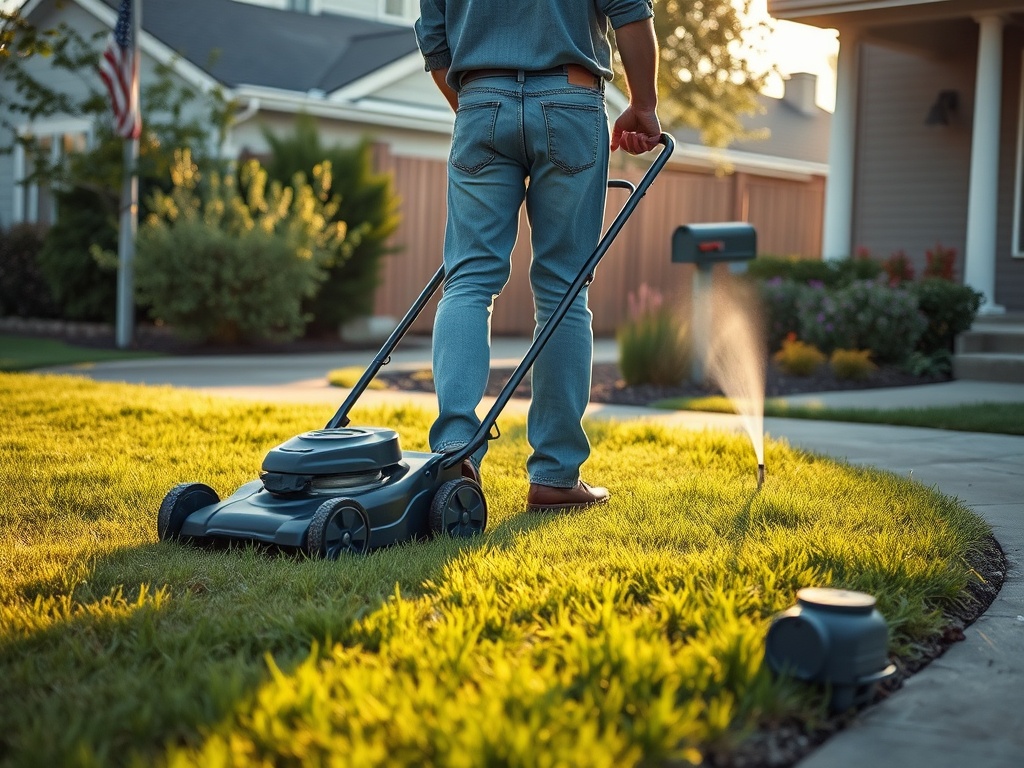
There is no single mowing height for every lawn. Use the recommended range for your grass species and season. A useful general rule is to avoid removing too much leaf tissue in one mowing. Scalping stresses turf, exposes soil to more sunlight, and can make the lawn look worse even when the mower has technically “cut it clean.”
Keep mower blades sharp. Torn, ragged leaf tips lose a neat appearance quickly and may make the lawn look gray or brown after mowing. Change direction periodically to reduce repeated wheel patterns and compaction.
If your property includes a water-wise redesign, the xeriscaping guide explains why turf is most efficient when it has a defined purpose and a shape that is easy to irrigate.
Should I bag grass clippings?
Usually, healthy clippings can be left on the lawn when they are short enough to fall between the blades. They decompose and return nutrients and organic material to the soil. Bag when grass is excessively long, wet, diseased, or creating thick clumps that smother the surface.
Do not blow clippings into streets, storm drains, or waterways. Sweep or blow them back onto the lawn or collect them for appropriate composting. Local ordinances may regulate yard-waste disposal.

Do I need to fertilize right away after buying a home?
Not necessarily. A soil test is a better first step than assuming the lawn is nutrient deficient. Testing can help you understand pH and nutrient levels and may prevent unnecessary applications. It also gives you a baseline before you invest in lime, fertilizer, or soil amendments.
Timing matters because grass should be actively growing enough to use nutrients. The correct season depends on turf type and climate. Follow local extension recommendations and the fertilizer label rather than using a universal schedule from a national advertisement.
Why are weeds taking over one part of the yard?
Weeds often reveal a site problem. Thin turf may be caused by shade, compaction, poor drainage, drought stress, low mowing, traffic, or a grass species poorly suited to the location. Herbicide can suppress a weed, but it does not automatically fix the condition that allowed the weed to dominate.
Identify the weed before treating it. Annual grassy weeds, perennial broadleaf weeds, sedges, and desirable volunteer plants respond to different management strategies. If only a small area is affected, hand removal or spot treatment may be more appropriate than treating the entire lawn.
What should I do about a brown patch?
Do not diagnose from color alone. Brown turf can result from drought, overwatering, mower damage, pet urine, compaction, fertilizer burn, disease, insects, winter injury, or heat stress. Check the soil moisture, pattern of damage, recent weather, and whether grass blades or roots show specific symptoms.
If the problem is spreading or unclear, take photos and a sample to a local extension diagnostic service or qualified lawn professional. Treating an unidentified problem with fungicide or insecticide wastes money and can create unnecessary environmental exposure.
When should I aerate?
Core aeration can help compacted soil by removing small plugs and creating channels for air and water. It is most useful when compaction is actually present, such as in high-traffic areas or heavy soils. The best season depends on grass type because the lawn should be able to recover actively after the work.
Do not aerate simply because a lawn-care calendar says to. Push a screwdriver or soil probe into moist soil, inspect root depth, and consider the traffic history. If the soil is loose and roots are healthy, aeration may not be the priority.
Do I need a large collection of lawn equipment?
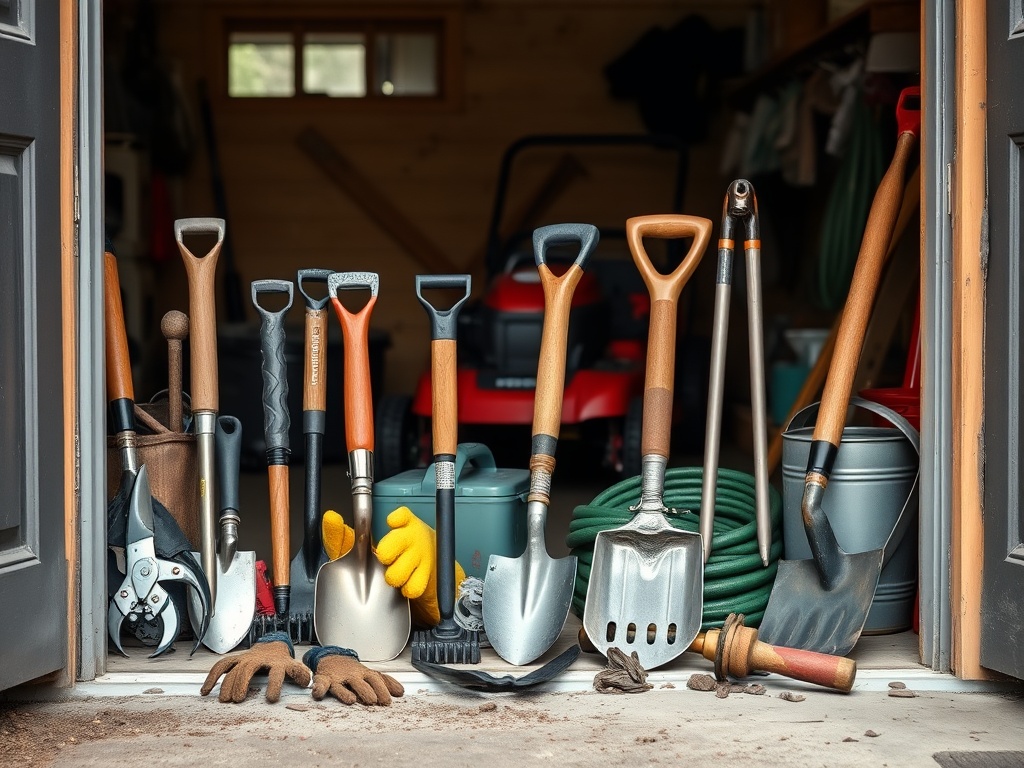
No. For many properties, a mower, string trimmer or edging tool, rake, hose or irrigation system, and a few hand tools cover routine work. Larger or specialized equipment makes sense only when property size, terrain, or recurring tasks justify it. The yard and garden equipment FAQ explains how to choose tools by task instead of buying a complete set at once.
How do I reduce mosquitoes and other bugs without spraying the whole lawn?
Start with habitat and identification. Remove standing water, manage dense debris where nuisance insects shelter, and determine which insect is actually causing the problem. The guide on reducing bugs around outdoor seating areas focuses on the patio zone, where targeted changes are often more useful than blanket lawn treatments.
What should my first month of lawn care look like?
Map sunny and shady areas, identify the grass, observe drainage after rain, inspect irrigation, mow correctly, and note problem areas before applying products. If possible, order a soil test. These observations create a maintenance plan that reflects the property you actually own.
A lawn does not need to be flawless to be healthy or useful. Aim for stable turf, sensible water use, safe equipment practices, and targeted problem-solving. Cosmetic perfection often requires more inputs than a functional family lawn needs.
Home and garden information is provided for general educational purposes. Turf recommendations, fertilizer rules, pesticide labels, drought restrictions, and water schedules vary by grass type and location; use local extension and regulatory guidance for site-specific decisions.[/