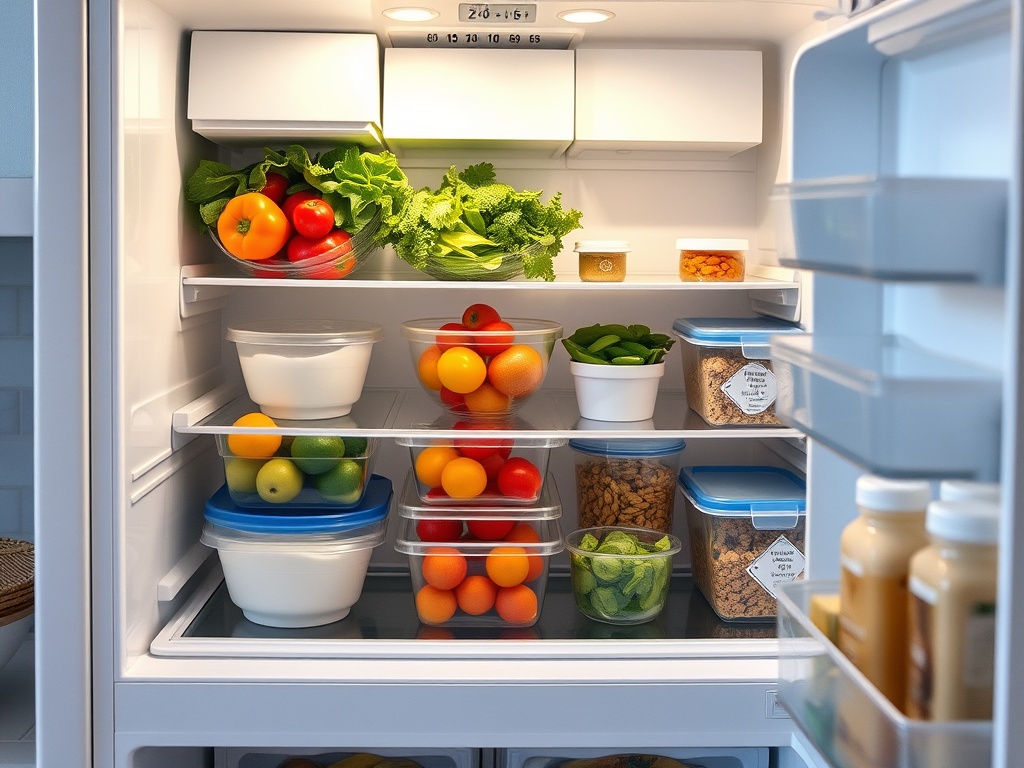

Fat loss still depends on sustaining an energy deficit over time, but your surroundings can make that easier or harder. Changing what food is visible, convenient, pre-portioned, stocked, and ready to eat can reduce the number of high-effort decisions required each day.
TL;DR: Build an environment where planned meals are convenient, highly tempting foods are less automatic, portions are easier to judge, and shopping happens from a list. These changes can support a calorie deficit, but they do not guarantee weight loss and should be adjusted to your preferences, medical needs, culture, and budget.
Why Environment Matters When Motivation Is Unreliable
Food choices happen in context. Availability, visibility, package size, preparation effort, social routines, and eating while distracted can all influence what and how much people eat. A large U.S. cross-sectional study found several features of the home food environment were associated with diet quality and weight-related outcomes, although the design cannot prove that those features caused the outcomes. The study is available through PubMed.
The useful idea is not that your kitchen controls you. It is that repeated small cues shape the number of decisions you have to make. If fruit is washed and visible while less-planned snacks are stored out of sight, the default has changed. If lunch is already portioned, you do not need to estimate a serving while hungry.
For beginners, this is often more sustainable than trying to “be disciplined” at every eating occasion.
Start With a One-Week Environment Audit
Do not overhaul the entire kitchen in one day. For one week, notice where unplanned eating tends to happen and what is present at that moment.
Ask:
- Which foods are most visible when I enter the kitchen?
- Which foods can I eat immediately, with no preparation?
- What do I reach for when I am tired after work?
- Do I commonly eat from large bags, boxes, or serving dishes?
- Which meals are repeatedly decided at the last minute?
- Do delivery apps, desk snacks, commuting routes, or workplace food create predictable triggers?
The goal is to identify friction and defaults, not label foods as morally good or bad.
A Practical Food-Environment Checklist
Make planned foods easy to see
Place fruit, yogurt, pre-cut vegetables, cooked protein, or other planned options at eye level. Keep ingredients for your most common meals together. If the healthy meal requires opening five cabinets while the snack is on the counter, the snack has the convenience advantage.
Reduce automatic access to foods you tend to overeat
You do not have to ban them. Buy a smaller package, store them in an opaque cabinet, divide them into portions, or choose times when you want to eat them intentionally. The National Institute of Diabetes and Digestive and Kidney Diseases recommends strategies such as eating from a plate rather than directly from a package and managing portions at home; see its portion guidance.
Create a “tired-day” meal
Keep one meal that requires almost no decision-making: for example, canned beans plus microwave rice and frozen vegetables, eggs with toast and fruit, or a simple soup with an added protein source. A pantry stocked for this purpose can be built with the ideas in a high-protein, budget-friendly kitchen.
Shop from a short list
A list reduces improvisation and makes it easier to maintain a repeatable food setup. Build the list around the meals you actually cook, not an aspirational diet you abandon by Thursday.
Change the eating context
If you regularly overeat while scrolling, gaming, or watching television, try serving the planned portion first and eating at a table or other dedicated place. This is not a guarantee of lower intake, but it reduces one source of distraction.

Use Portion Cues Without Turning Every Meal Into Math
Portion size influences energy intake, especially when larger servings are presented as the default. Research has found that reducing served portions can reduce daily energy intake under study conditions, though individual weight change is influenced by many factors.
You can use that principle without weighing every ingredient forever:
- Serve food onto a plate or bowl instead of eating from the package.
- Put leftovers away before sitting down when second helpings are a predictable issue.
- Buy single portions only when the extra cost is worth the convenience, or divide larger packages at home.
- Keep calorie-dense sauces, oils, spreads, and snacks in portions you can recognize consistently.
- Increase the convenience of lower-energy-density foods you enjoy, such as fruit, vegetables, broth-based soups, or leaner protein options.
The aim is to make the planned amount easier to execute, not to create anxiety around food.
Change the Environment Outside Your Home Too
Your food environment includes work, commuting, social events, and digital ordering. If the same trigger appears several times a week, design around it.
For work, bring a planned lunch or keep a shelf-stable backup meal. For commuting, change the route if a particular stop leads to frequent unplanned purchases. For delivery, remove saved “usual” orders that make high-calorie choices a one-tap default, or save a few meals that better fit your plan. For social eating, decide in advance what matters most: the main dish, dessert, drinks, or simply eating freely at a special event and returning to normal afterward.
A sustainable environment allows flexibility. If every social occasion requires avoiding the room, the plan is too fragile.
What Not to Do
Do not try to eliminate all tempting food
Total restriction can be impractical and may increase preoccupation for some people. The goal is intentional access, not a sterile kitchen.
Do not assume “healthy” means low-calorie
Nuts, nut butters, oils, cheese, granola, and many whole foods can be nutritious and still energy-dense. They can fit a fat-loss plan, but portions still matter when total energy intake is the target.
Do not make weight loss the only measure of success
Track behaviors you control: planned breakfasts eaten, vegetables prepared, takeout frequency, weekly shopping completed, or protein included at meals. Body weight can fluctuate for reasons unrelated to body-fat change in the short term.
Do not push through concerning symptoms
If weight-loss efforts are associated with dizziness, fainting, persistent fatigue, menstrual changes, disordered eating behaviors, or other health concerns, seek guidance from a qualified healthcare professional. More restriction is not the automatic answer.
Make the Default Choice Work in Your Favor
Pick one friction point, not ten. If late-night snacking is the issue, change what is visible and how snacks are portioned. If lunch is the issue, prepare two grab-and-go options. If takeout is the issue, build one five-minute home meal. The same small-step logic appears in how to make health goals feel less overwhelming.
Health behavior change tends to work better when the step is specific and doable. NIDDK’s guidance on changing habits for better health emphasizes small changes, planning for roadblocks, and tracking progress. Apply that same logic to your food environment: redesign one repeated decision, test it for a week, then keep, modify, or replace it.
Create a photorealistic editorial photograph of a generic adult at a kitchen table portioning a snack from a large plain container into a small bowl before eating, shown from the side with face partially out of frame, soft ambient evening light, realistic ceramic, wood and food textures, documentary framing similar to Reuters or Bloomberg, no direct eye contact, no exaggerated expression, no readable text, no logos, no watermarks, no brand names, anatomically correct hands and fingers, no harsh flash, no HDR, no oversaturation, no CGI sheen.