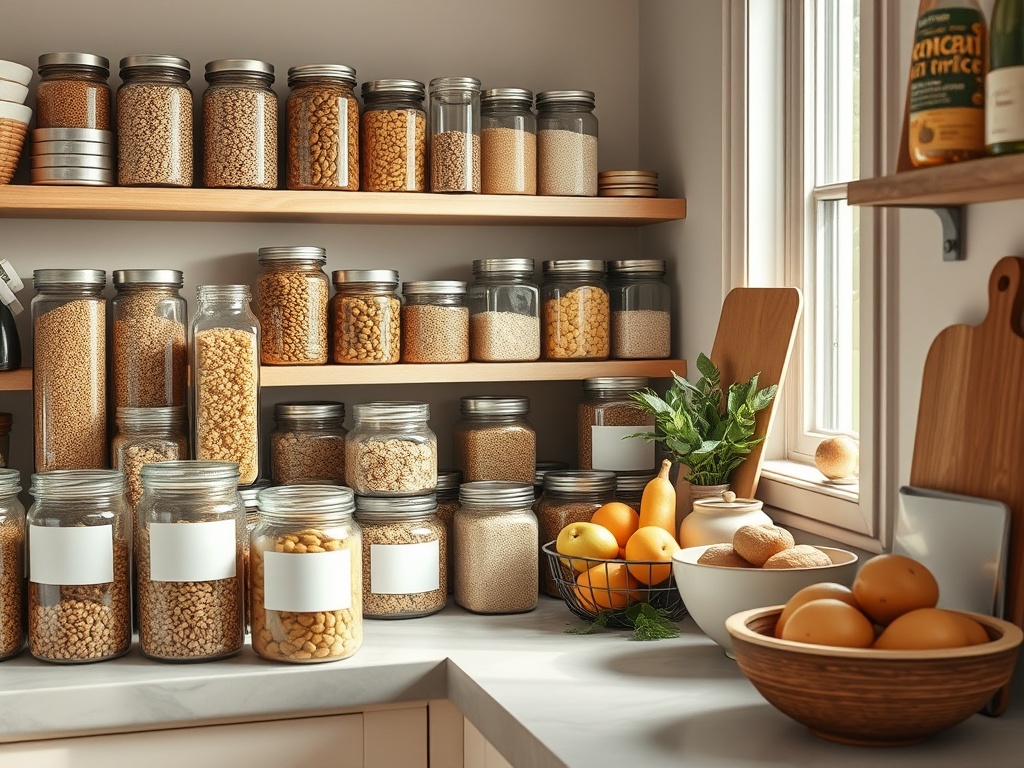

A high-protein kitchen does not require expensive specialty foods. The most useful pantry is built around shelf-stable protein sources, flexible carbohydrates, canned or frozen produce, and a few flavor bases that turn inexpensive ingredients into repeatable meals.
TL;DR: Prioritize beans and lentils, canned fish, nut or seed butters, shelf-stable or long-life protein options, grains, and frozen or canned produce. Buy foods you will actually use, compare unit prices, and build meals from repeatable combinations instead of chasing a perfect “high-protein” grocery list.
Start With Protein Foods That Survive a Busy Week
The real advantage of pantry staples is not nutrition on paper. It is availability. A food that lasts, fits several meals, and requires little preparation can reduce the number of times you reach the end of the day with no practical option except takeout or snacks.
Current U.S. dietary guidance emphasizes nutrient-dense protein from both animal and plant sources. The federal Dietary Guidelines history page identifies the 2025–2030 edition as the current guidance, while MyPlate’s protein-food reference lists examples including beans, lentils, eggs, seafood, nuts, seeds, tofu, and meat or poultry.
Budget-friendly does not mean choosing the cheapest item per package. It means comparing cost per usable serving, waste, preparation time, and how often the food prevents a more expensive last-minute meal.
The Core Shelf-Stable Protein Staples
Beans, lentils, and chickpeas
Dry beans and lentils are among the most flexible low-cost staples. Canned versions cost more per serving but save time and still work well when rinsed and added to soups, grain bowls, wraps, salads, or pasta dishes. Lentils cook relatively quickly and can stretch ground meat in sauces or form the base of a meal themselves.
Canned tuna, salmon, sardines, or chicken
Canned proteins are useful when refrigeration space is limited or meal preparation is inconsistent. Check sodium and serving information based on your needs, and vary seafood choices rather than relying on one type every day. Pair canned fish with rice, potatoes, whole-grain crackers, beans, or chopped vegetables for a quick meal.
Peanut, almond, or seed butter
Nut and seed butters contribute protein and energy, but they are also calorie-dense. Treat them as a convenient component rather than a primary lean-protein substitute. They work well in oatmeal, sandwiches, sauces, or snacks that need more staying power.
Shelf-stable milk or soy beverages
Long-life dairy milk or fortified soy beverages can support breakfasts, shakes, soups, and baking when fresh milk is not practical. Compare labels because protein and added-sugar content vary by product.
Pantry Carbohydrates Make Protein Easier to Use
Protein staples become more useful when the kitchen also contains low-cost bases such as oats, rice, pasta, couscous, tortillas, and potatoes. These foods are not “protein foods” in the same sense, but they help turn a can of beans or fish into a satisfying meal.
A practical pantry is built around combinations:
- Oats + milk or soy beverage + peanut butter + fruit.
- Rice + beans + frozen vegetables + salsa or spices.
- Pasta + lentils + tomato sauce + vegetables.
- Potatoes + canned fish + greens + yogurt-based sauce if available.
- Tortillas + beans + canned chicken + vegetables.
That combination mindset is more useful than buying isolated “fitness foods” that do not fit your normal cooking.
High-Protein Pantry Staples at a Glance
| Staple | Why it earns space | Easy use |
|---|---|---|
| Dry or canned lentils | Low-cost, versatile plant protein | Soups, curries, pasta sauce, bowls |
| Canned beans/chickpeas | Fast, no thawing required | Wraps, salads, rice bowls, chili |
| Canned tuna/salmon | Convenient animal protein | Sandwiches, bowls, pasta, potatoes |
| Nut/seed butter | Shelf-stable, calorie-dense, versatile | Oats, toast, sauces, snacks |
| Oats | Cheap meal base with some protein and fiber | Breakfast, baked oats, savory oats |
| Rice/pasta | Low-cost base for protein foods | Batch-cooked bowls and quick dinners |
| Canned tomatoes | Flavor and volume for inexpensive meals | Soups, chili, sauces |
| Frozen vegetables | Long storage, minimal waste | Stir-fries, soups, side dishes |

Budget Strategy Matters as Much as Food Choice
Buying in bulk only saves money if you finish the food. Compare unit prices, but also account for storage and waste. A large bag of dried beans can be a strong value for someone who batch-cooks; for a person who never soaks or cooks beans, canned beans may be the better real-world purchase.
The National Institute of Diabetes and Digestive and Kidney Diseases offers practical advice for eating well when money is tight, including using labels, matching portions to needs, and choosing foods in ways that reduce waste. See its guidance on food portions and budget-conscious eating.
A simple shopping rule is “one protein, one base, one produce option, one flavor.” For example: lentils, rice, frozen spinach, curry paste. Or canned tuna, potatoes, frozen peas, mustard. This keeps the basket flexible without requiring dozens of ingredients.
Make Protein Convenient, Not Merely Available
A shelf full of dry goods does not help if every meal still requires 45 minutes of cooking. Pair pantry staples with a preparation routine:
- Batch-cook one grain or potato option.
- Cook one pot of beans or lentils, or keep canned versions ready.
- Keep two flavor profiles available, such as tomato-herb and curry, or salsa-lime and soy-ginger.
- Freeze portions before you are tired of the same meal.
- Keep one zero-cook protein option for the busiest day.
This is also why food environment matters for body-composition goals. If convenient, filling foods are already visible and ready, the easier choice changes. The article on making fat loss easier by changing your food environment explains how availability and placement can support eating patterns without relying on constant restraint.
Common Pantry Mistakes
Buying “protein” products with poor value
A protein label on a cereal, chip, or snack bar does not automatically make it cost-effective. Compare the actual protein amount, serving size, price, and how filling the product is compared with basic foods.
Forgetting fiber, produce, and meal balance
High-protein eating should not crowd out fruits, vegetables, whole grains, or other foods that contribute fiber and micronutrients. A pantry that only contains powders, canned meat, and snack products is not a complete nutrition strategy.
Ignoring sodium and added ingredients
Canned foods can be extremely useful, but labels vary. Choose versions that fit your health needs, rinse beans when appropriate, and avoid assuming that “shelf-stable” means nutritionally identical across products.
Overestimating how much variety you need
Many people do better with five to eight repeatable meals and small flavor changes than with a completely different recipe every night. Repetition can lower cost, reduce waste, and make nutrition easier to execute.
Stock the Shelf So Protein Is the Easy Option
Start with six core items you know you will eat: one bean or lentil, one canned animal protein if you use it, one nut or seed butter, one grain, one canned tomato or sauce base, and one frozen or canned vegetable. Build two meals from that set before buying more.
If strength training is a major goal, keep the nutrition system simple enough to support consistent training rather than becoming another project. Pair your food setup with a focused program, such as the approach in the best assistance exercises to improve your big lifts, and adjust total intake based on your individual needs and goals.
Create a photorealistic editorial photograph of a generic adult preparing a simple budget-friendly grain bowl at a kitchen counter, shown from the side with hands portioning cooked lentils, rice and frozen vegetables from plain containers, natural ambient daylight, realistic steam and food texture, candid food-journalism framing similar to Reuters or The Wall Street Journal, face partially out of frame, no direct eye contact, no readable text on packages or screens, no logos, no watermarks, no brand names, anatomically correct hands and fingers, no harsh flash, no HDR, no oversaturation, no CGI sheen.