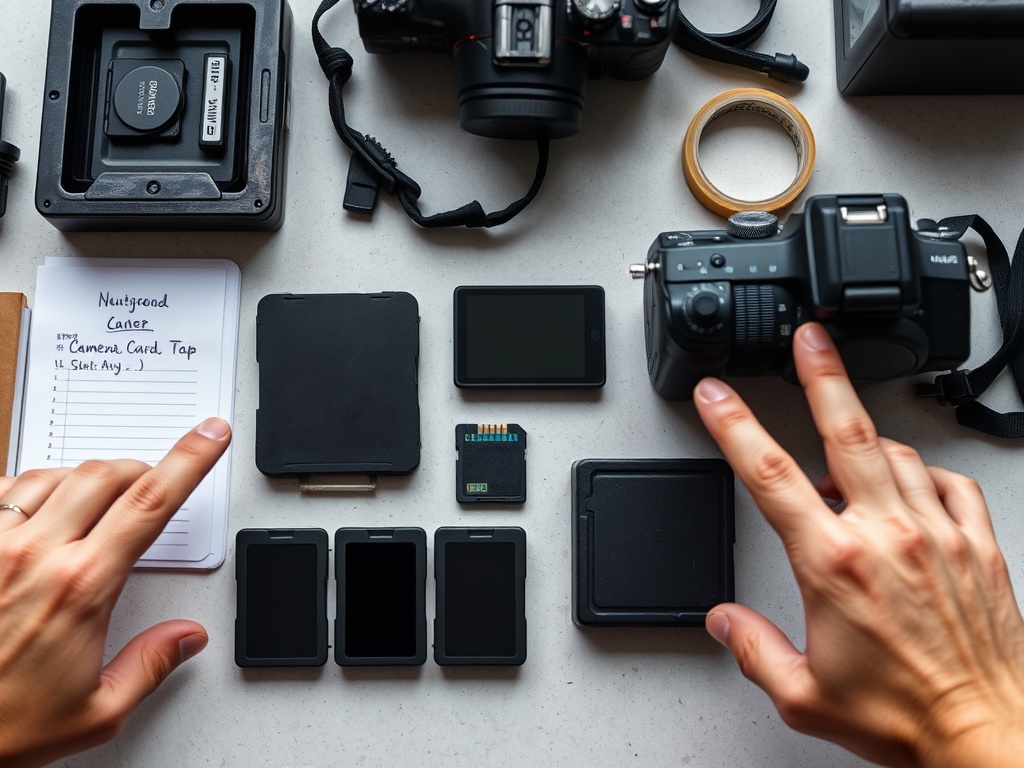
To submit a mini comic or zine to small press festivals, research the right event, prepare a clear sample, write a concise creator description, understand table costs, meet the deadline, and make sure your work is printable, sellable, and easy for organizers to categorize.
Festival Submission Brief: The strongest applications show what the work is, who it is for, how it fits the festival, and whether you are ready to table professionally without pretending to be bigger than you are.
Choose Festivals That Match the Work
Not every comics, book, art, or zine festival serves the same audience. Some focus on literary small press. Some emphasize comics and graphic storytelling. Some prioritize local makers. Some are curated. Some use lotteries. Some are invite-only. Some are open to first-time tablers.
Start with the event’s own language. Small Press Expo describes itself as an event for graphic novels, comic arts, and cartooning, and its exhibitor information gives creators practical details about participation. The Toronto Comic Arts Festival presents itself as a major comic arts festival with a focus on independent arts culture and accessibility on its official site. Printed Matter also maintains a useful list of book and zine fairs for artists researching opportunities.
Your mini comic or zine does not need to fit every festival. It needs to fit the right one.
Build a Submission Packet Before Applications Open
Applications often ask for similar materials, so prepare them early:
- Creator or collective name.
- Short bio.
- Website or portfolio link.
- Social link if relevant.
- Three to five images of work.
- Brief description of the comic or zine.
- Publication list or table inventory.
- Accessibility or content notes if requested.
- Tax or payment information when needed.
Keep the bio factual and brief. Organizers do not need a long manifesto. They need to understand what you make and how it relates to their event.
Show the Actual Object, Not Only Digital Pages
A mini comic or zine is a physical reading experience. If the application allows images, include photos of the finished object: cover, interior spread, scale in hand, binding, and table presentation. Make sure no private notes, prices, or unfinished text are readable if you are sharing publicly.
If the work is not printed yet, include a mockup and be honest about production status. Do not claim a polished edition exists if it is still a draft.
This is where storage and presentation overlap. If you are bringing prints, posters, or fragile originals, the guide to storing works on paper, canvas, and mixed media safely at home can help you protect inventory before and after the event.
Price the Full Cost of Tabling
Table fees are only one part of the cost. Add printing, shipping, travel, lodging, food, display supplies, payment processing, taxes, and time. A festival can be worthwhile even if it does not produce immediate profit, but you should know the difference between marketing value and financial return.
Use a simple estimate:
| Cost area | What to include | Why it matters |
|---|---|---|
| Production | Printing, paper, binding, test copies | Determines minimum viable price |
| Event | Table fee, chairs, badges, electricity if needed | Affects break-even point |
| Travel | Transit, lodging, meals, shipping | Often larger than the table fee |
| Selling | Card reader, bags, display stands, tax tools | Makes the table workable |
| Recovery | Time off, rest, follow-up shipping | Prevents burnout |
Write a Description Organizers Can Use
A good description helps selection committees place your work. Include format, genre, tone, audience, and themes without overselling. For example: “A 24-page black-and-white autobiographical mini comic about caring for a parent, printed in a folded half-letter format,” is more useful than “A deeply personal journey through memory.”
If the work includes mature content, say so when asked. Content notes are not apologies. They help organizers place the work appropriately and communicate with audiences.
Prepare Your Files and Inventory Like a Publisher
Before applying, confirm trim size, page count, print method, edition size, wholesale price if any, and retail price. Keep source files organized. If you plan to sell digital editions, define rights and delivery terms. The guide to selling digital prints, downloads, and asset packs legally covers similar permission and product-description issues.
For physical editions, print a proof before committing to a full run. Check margins, page order, blacks, bleeds, staples, folds, and paper weight. A charming handmade zine can be rough, but it should not be confusing to read.
Make the Table Easy to Approach
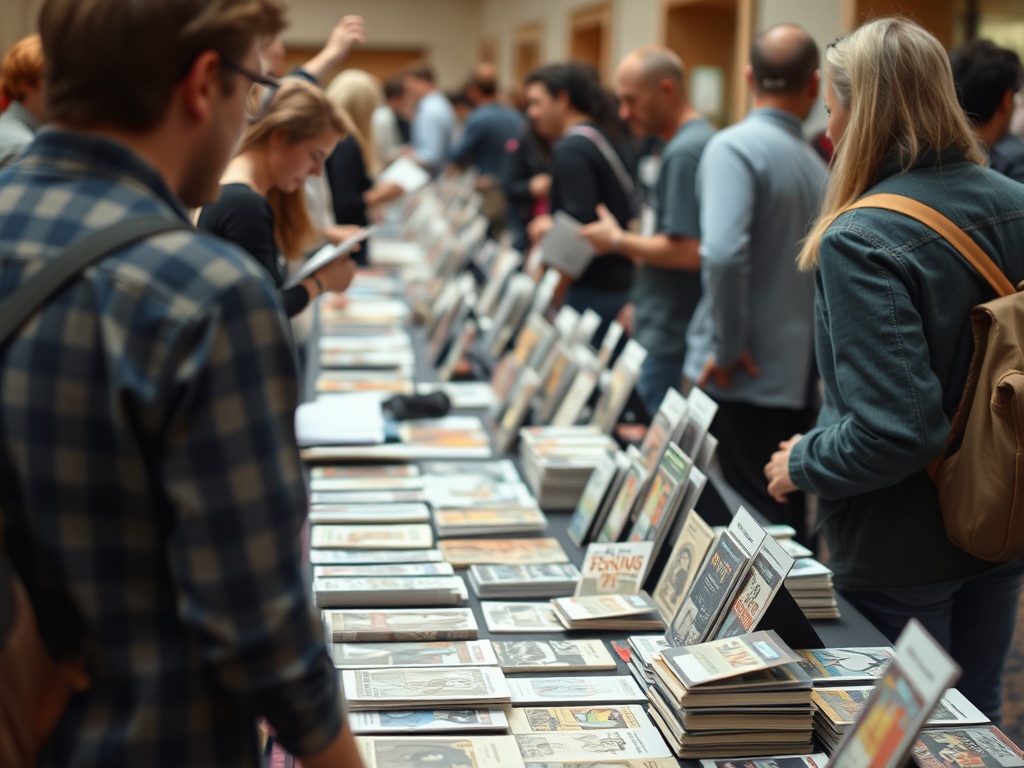
If accepted, your job is not finished. Plan a table that visitors can understand in five seconds. Group items by format or price. Use readable but not cluttered signage. Keep your payment method simple. Bring change if accepting cash. Pack snacks, water, tape, clips, a small repair kit, and a way to track sales.
Do not pressure every browser. Small press audiences often like time to look. A simple greeting and a short description of your work is enough.
What to Do if You Are Rejected
Rejection is normal. Many festivals have limited space and curatorial goals. A rejection does not mean the work is bad. Review whether your application images were clear, your work matched the event, and your description was specific. Then apply elsewhere, improve the packet, or attend as a visitor to learn the room.
If your zine is part of a wider reading practice, consider how audiences discover new forms. The guide to building a reading challenge that expands taste can also help you think about how readers approach unfamiliar formats.
A Practical Submission Rhythm
Keep a festival calendar with opening dates, deadlines, fees, notification dates, and event dates. Prepare the packet before applications open. Apply only where the work fits. Save every answer you write so the next application is easier.
A mini comic or zine does not need to look like a mainstream book to deserve a table. It needs clarity, care, and a good match between the work, the event, and the readers who will find it there.